
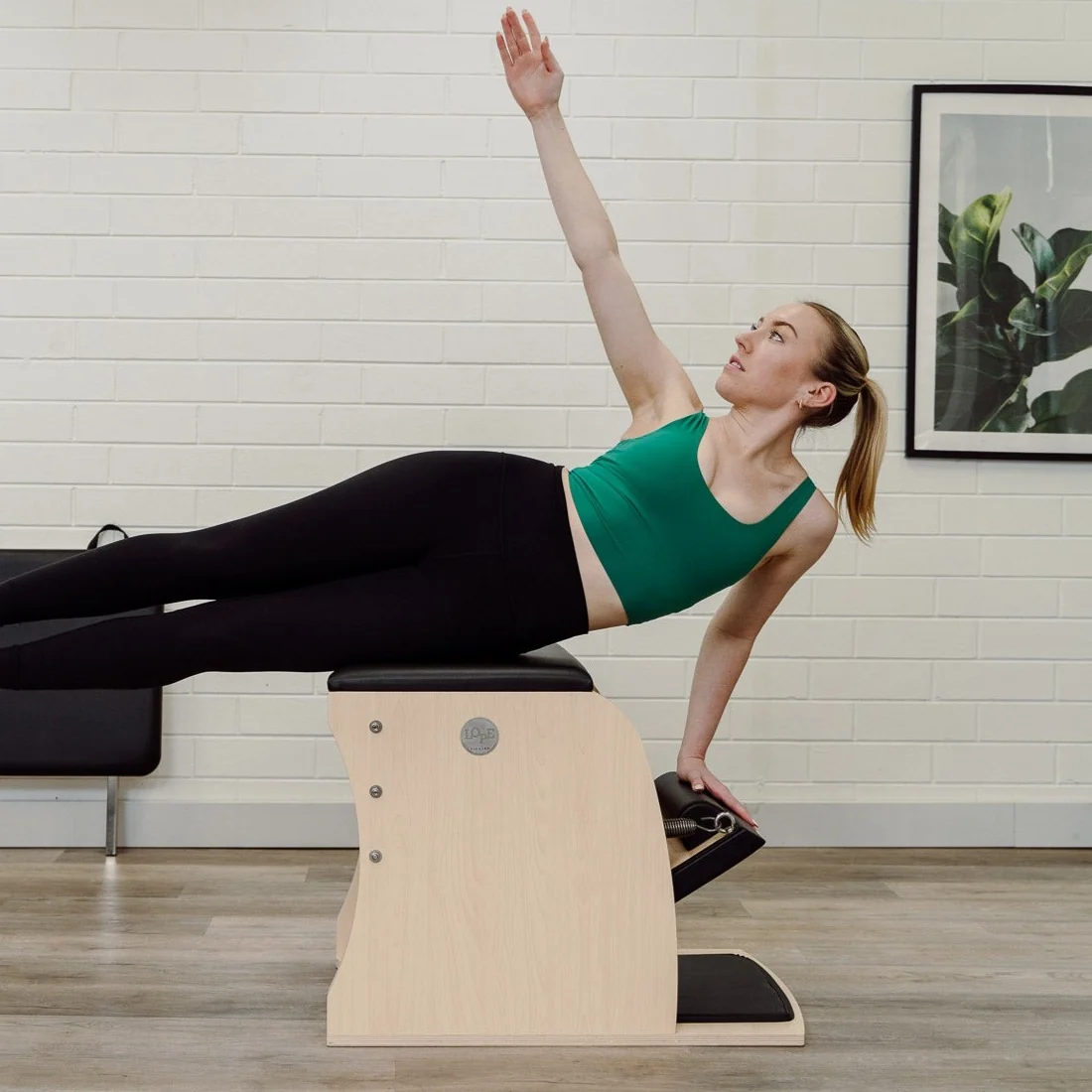
What Pilates Chair Australia Studios Look For Before Buying One
This guide breaks down what Pilates Chair Australia studios typically look for before buying one, based on how Australian studios actually operate day to day. What do studios in Australia use a Pilates chair for most often? Most studios buy a chair to widen programming without adding a huge footprint. In Pilates Chair Australia settings, chairs commonly support rehab-friendly sessions, athletic conditioning, and private training where spring resistance is easy to progress. They also use chairs to bridge mat clients into equipment work. For many, it is the “next step” piece after reformers. How much floor space do they realistically need? They need enough space to mount and dismount safely from all sides, not just to park the frame against a wall. Pilates Chair Australia studios often plan for clear space around the pedal path, plus room for spotting during balance work. They also consider storage and traffic flow between reformers. A chair that fits physically can still fail if it creates a bottleneck between stations. What build quality signals do they check first? They check frame stability, pedal alignment, and how the chair behaves under load. In Pilates Chair Australia purchases, owners often prioritise a solid base, non-slip contact points, and hardware that does not loosen with repeated commercial use. They also look closely at welds or joinery, the finish quality, and whether the pedal returns smoothly. Any wobble is usually a deal-breaker. Which pedal feel and spring options matter most? Studios want resistance that is predictable across clients, from deconditioned beginners to strong athletes. Many Pilates Chair Australia studios prefer chairs with multiple spring settings and clear adjustment points so instructors can change load quickly between clients. They also look for a pedal feel that is smooth, quiet, and consistent through the full range. If the spring path feels jerky, instructors spend the whole session managing the machine, not the client. How do they judge safety for mixed ability classes? They check stability, grip, and how easy it is to set clients up without risky transitions. In Pilates Chair Australia studios, safety usually comes down to non-slip surfaces, rounded edges, secure handles, and a design that supports controlled mounting and dismounting. They also consider whether the chair encourages safe alignment. If a design constantly pushes clients into compensation, studios avoid it. What role do handles, platforms, and accessories play? Accessories matter when they expand class variety without adding complexity. Many Pilates Chair Australia studios look for removable or adjustable handles, padded grips, and supportive platforms that suit both short and tall clients. They also check that any add-ons are stable and easy to clean. If accessories rattle, flex, or take too long to swap, instructors stop using them. How do studios decide between split-pedal and single-pedal designs? They choose based on programming goals and instructor preference. Some Pilates Chair Australia studios prefer split pedals for unilateral work, coordination, and addressing asymmetries in rehab and performance training. Others prefer a single pedal for simplicity in group settings and faster cueing. Either way, studios usually test whether the mechanism stays aligned after months of heavy use. What upholstery and comfort details affect buying decisions? They look for durable vinyl, firm padding, and seams that will not split under daily use. Pilates Chair Australia studios also consider sweat, cleaning chemicals, and the wear that comes from shoes and repeated foot placements. Comfort is not about “soft.” It is about stable support that gives clients confidence during kneeling, seated, and standing sequences. How important is noise in a shared studio environment? Noise matters more than many buyers expect. In Pilates Chair Australia studios, squeaks and spring clatter can disrupt cueing, reduce the premium feel of sessions, and become a constant distraction during quiet breathwork. Studios often test chairs in conditions that mimic real use. When considering Wunda Chair Pilates exercises and benefits, a chair that is quiet for the first week but noisy by month three is not considered commercial-grade by most owners. What do they look for in warranties, parts, and servicing in Australia? They want local support, fast parts availability, and a warranty that makes sense for commercial use. Pilates Chair Australia studios often avoid products where replacement springs, pedal components, or upholstery require long international lead times. They also ask who handles repairs and what typical turnaround times look like in their state. For many studios, predictable servicing is worth paying more upfront. How do they assess supplier credibility and after-sales support? They look for training resources, clear documentation, and responsiveness before purchase. Pilates Chair Australia studio owners typically evaluate whether the supplier can advise on setup, maintenance, and safe use, not just process an invoice. They also check industry reputation through Australian instructor networks. If support disappears after delivery, studios remember. What price range do studios consider reasonable for commercial use? They focus on total value, not the cheapest sticker price. In Pilates Chair Australia buying decisions, studios often compare build quality, warranty, and expected lifespan against how many sessions the chair will handle each week. They also budget for delivery, accessories, and any required protective flooring. A chair that lasts and stays stable usually wins over one that needs constant tightening or replacement parts. How do they choose a chair that fits their studio’s style and brand? They consider aesthetics, but only after performance and safety. Many Pilates Chair Australia studios choose finishes and colours that match reformers, wall systems, and the overall fit-out, especially in boutique spaces where brand feel drives retention. They also consider how the chair photographs for marketing. Still, most studios will not compromise function just for a nicer look. What questions do they ask before finalising a purchase? They ask practical questions that reveal whether the chair will work in real sessions. Pilates Chair Australia studios often want to know weight limits, commercial warranty terms, cleaning guidelines, and whether the chair has been tested in high-volume studios. They also ask how quickly instructors can adjust it mid-class. If it slows down