

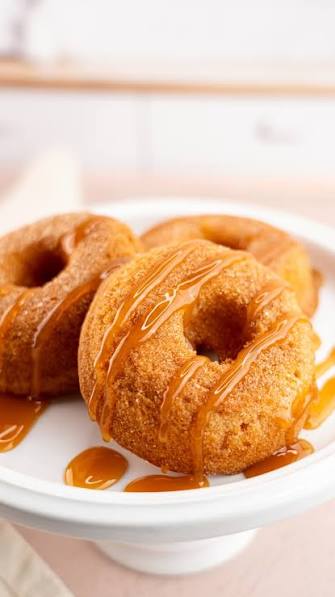
In Australia, more bakeries and home cooks are making vegan cinnamon donuts to suit allergies, ethics, or simply a lighter pantry. Here’s how they do it, step by step, without dairy or eggs.
What makes vegan cinnamon donuts possible without dairy or eggs?
They work because the “jobs” of dairy and eggs can be replicated with plant-based fats, plant milks, and smart mixing. In most donut recipes, eggs add binding and tenderness, while dairy adds richness and moisture.
For vegan cinnamon donuts, binding comes from gluten development and, sometimes, starches or aquafaba. Richness comes from oils, vegan butter, or coconut-based fats, while oat, soy, or almond milk brings moisture and helps browning.
Which donut style is easiest to make vegan in Australia?
Yeasted donuts are often the easiest to veganise because their structure comes from gluten and fermentation, not eggs. Cake donuts can also be vegan, but they rely more on precise chemical leavening and tenderisers.
For vegan cinnamon donuts, many Australian kitchens choose yeasted rings or filled donuts, then finish them in cinnamon sugar. The classic hot cinnamon coating covers a lot of sins and makes the result feel properly “donut shop”.
What ingredients replace milk in vegan cinnamon donuts?
They typically use plant-based milk, and in Australia the most common are soy, oat, almond, and rice milk. Soy and oat tend to brown best and create a fuller mouthfeel.
For vegan cinnamon donuts, they often warm the plant milk slightly before mixing, especially for yeast doughs. Some also add a teaspoon of vinegar or lemon juice to mimic “buttermilk” style tang, which can improve tenderness.
What ingredients replace butter in vegan cinnamon donuts?
They usually replace butter with neutral oils, vegan block butter, or a mix of both. In Australia, vegan block butter is widely available at major supermarkets and performs well for dough enrichment.
For vegan cinnamon donuts, oil can keep the crumb softer for longer, while vegan butter can provide a more traditional aroma and mouthfeel. Many bakers use oil in the dough, then use vegan butter only for brushing before coating.
What replaces eggs in vegan cinnamon donuts?
They commonly skip eggs entirely in yeasted doughs, or use binders in cake-style versions. Options include flax “eggs”, chia “eggs”, aquafaba, or commercial egg replacers.
For vegan cinnamon donuts, the best choice depends on the style. Yeasted donuts usually need none. Cake donuts often do well with a small amount of aquafaba or a flax egg to help bind and reduce crumbliness without making the donut gummy.
How do they build structure and fluffiness without eggs?
They rely on gluten development, correct hydration, and proper proofing. In yeasted dough, the network created by mixing and kneading traps gas from fermentation and creates lift.
For vegan cinnamon donuts, they often mix until the dough is smooth and elastic, then allow enough time for bulk fermentation and a final proof. Under-proofing leads to dense donuts, while over-proofing can cause collapse in the fryer.
What role does yeast play in vegan cinnamon donuts?
Yeast creates the rise, contributes flavour, and helps produce a light, airy interior. It also supports browning, which matters when there’s no dairy to naturally deepen colour.
For vegan cinnamon donuts, they usually use instant yeast or active dry yeast, depending on what’s in the pantry. Warm plant milk, a touch of sugar, and a draught-free proofing spot can make yeast performance more consistent in cooler Australian kitchens.
How do they mix and knead the dough for best results?
They aim for a dough that feels soft, slightly tacky, and stretchy, rather than dry. Over-flouring is a common mistake, especially when switching to plant milks that absorb differently.
For vegan cinnamon donuts, they typically mix wet ingredients first, then add flour and salt, and knead until a thin “windowpane” can form. If using a stand mixer, they keep speed moderate to avoid overheating the dough, which can weaken structure.
How long should they proof vegan cinnamon donuts?
They proof the dough until it looks visibly puffy and feels lighter to the touch rather than relying on a rigid timer. Because temperature and humidity vary across Australia, donut proofing tips can be especially useful when conditions shift between a Brisbane summer and a Hobart winter.
For vegan cinnamon donuts, a first rise might take 60 to 90 minutes, and the final proof after shaping might take 30 to 60 minutes. The key sign is a gentle spring-back when lightly pressed.
How do they shape vegan cinnamon donuts evenly?
They roll the dough to an even thickness, then cut it cleanly using a donut cutter or two round cutters. Consistent donut cutting techniques help create clean edges, allowing the donuts to rise evenly and fry more predictably.
For vegan cinnamon donuts, many bakers rest the rolled dough for a few minutes before cutting to reduce shrinkage. They also place shaped donuts on individual squares of baking paper, making transfers to the fryer easier and reducing deflation.
Is baking or frying better for vegan cinnamon donuts?
Frying delivers the most classic donut texture, with a crisp surface and soft interior. Baking can work, but it tends to produce a more bread-like result unless the recipe is built specifically for the oven.
For vegan cinnamon donuts, Australian home cooks often fry in a heavy pot or deep pan using a thermometer for control. Those who bake usually use a donut tray and lean into a cake-donut style, then coat heavily in cinnamon sugar.
What oil do they use for frying in Australia?
They usually choose neutral oils with a higher smoke point, such as canola, sunflower, or rice bran oil. These are easy to find in Australian supermarkets and don’t add strong flavour.
For vegan cinnamon donuts, they keep oil depth sufficient so donuts can float freely, and they avoid olive oil because it can taste assertive and smoke earlier. Fresh oil matters too, since old oil makes cinnamon donuts taste stale fast.
What frying temperature gives the best vegan cinnamon donuts?
Around 175°C to 185°C is the sweet spot for most yeasted donuts. Too cool and they absorb oil; too hot and they brown before the inside cooks.
For vegan cinnamon donuts, they use a thermometer and adjust the heat between batches. They also fry in small batches so the oil temperature doesn’t crash, which is especially important when frying from cold dough straight from the bench.
How do they keep vegan cinnamon donuts from getting oily?
They focus on proper proofing and correct oil temperature, then drain well. Dense, under-proofed donuts soak oil like a sponge, no matter how “healthy” the ingredients are.
For vegan cinnamon donuts, they usually drain on a wire rack instead of paper towel alone, since airflow helps reduce surface oil. They also avoid overcrowding, which drops oil temperature and increases absorption.
How is the cinnamon sugar coating made dairy-free?
Cinnamon sugar is naturally dairy-free, so the main decision is how to make it stick. Many classic recipes use melted butter, but vegan versions use melted vegan butter or a neutral oil.
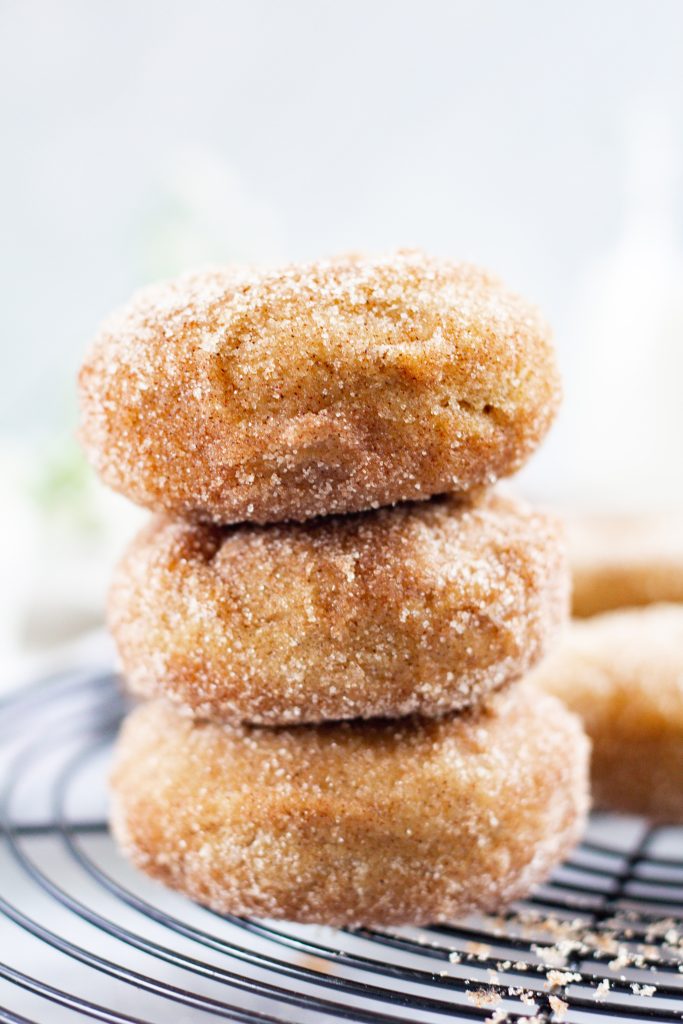
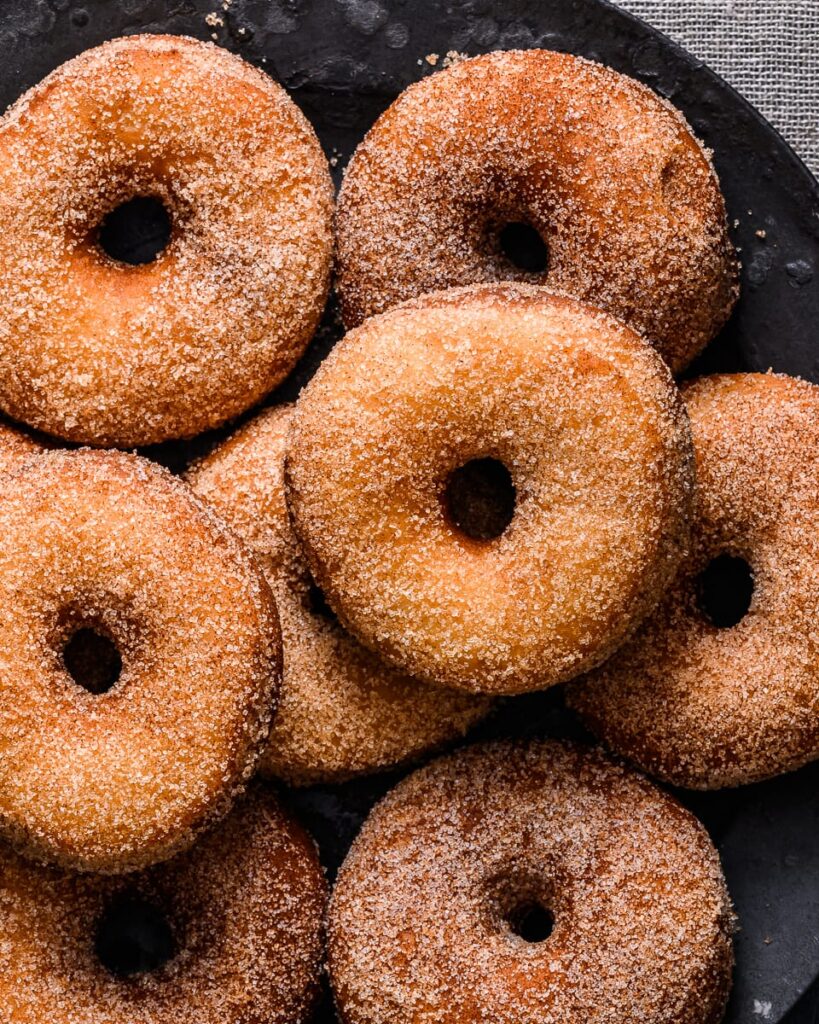
For vegan cinnamon donuts, they toss the donuts while still warm, after brushing or lightly spraying the surface. The warmth helps the sugar adhere and slightly melt into the crust, creating that familiar, sandy coating Australians expect from a cinnamon donut.
What fillings and glazes can they use without dairy?
They can use jam, custard made with plant milk, chocolate ganache with coconut cream, or simple icing with icing sugar and water. Many supermarket dark chocolates in Australia are naturally dairy-free, but they still check labels for milk solids.
For vegan cinnamon donuts, fillings like raspberry jam, lemon curd-style custard (egg-free), or cinnamon apple compote suit the spice profile. If glazing, they often glaze lightly so the cinnamon doesn’t get drowned out.
How do they avoid common vegan donut problems like dryness or heaviness?
They manage hydration, don’t over-flour, and avoid overcooking. Plant-based doughs can dry out faster if they use too much flour during kneading and shaping.
For vegan cinnamon donuts, they measure flour carefully, keep the dough soft, and fry just until golden. They also store properly because exposure to air stales donuts quickly, vegan or not.
How should they store and reheat vegan cinnamon donuts?
They’re best eaten fresh on the day, but they can be stored in an airtight container at room temperature for about a day. Refrigeration can dry them out and toughen the crumb.
For vegan cinnamon donuts, reheating is brief: 10 to 15 seconds in the microwave, or a quick warm in a low oven. If recoating, they can lightly mist with water and toss again in cinnamon sugar to refresh the finish.
What should they look for when buying vegan cinnamon donuts in Australia?
They check for clear allergen and ingredient information, especially if avoiding egg and dairy for medical reasons. Some “plant-based” bakery items may still contain traces or be made on shared equipment.
For vegan cinnamon donuts, they can ask whether the dough contains butter, milk powder, whey, or egg glaze, and whether the cinnamon coating uses butter. In larger Australian cities, many vegan bakeries label clearly, but it’s still worth confirming.
How do they know when vegan cinnamon donuts are truly done?
They look for an even golden colour, a light feel when lifted, and a cooked interior. If they have a probe thermometer, an internal temperature around the low to mid 90s °C is a strong sign the centre is cooked.
For vegan cinnamon donuts, the simplest test is to tear one open from the first batch. A properly cooked donut has a fluffy, slightly stretchy interior, not a wet seam or a tight, bready crumb.
What’s the simplest takeaway for making vegan cinnamon donuts at home?
They don’t need dairy or eggs to make donuts that feel like the real thing. They need a good dough, proper proofing, controlled frying, and a generous cinnamon sugar finish, which helps explain why vegan donuts Sydney cafes stock are growing in popularity.
With the right process, vegan cinnamon donuts come out soft, fragrant, and satisfying, whether they’re made in a Sydney apartment kitchen or a regional Victorian farmhouse.
FAQs (Frequently Asked Questions)
What makes vegan cinnamon donuts possible without using dairy or eggs?
Vegan cinnamon donuts replicate the roles of dairy and eggs through plant-based fats, plant milks, and smart mixing techniques. Eggs typically provide binding and tenderness, while dairy adds richness and moisture. In vegan versions, binding is achieved via gluten development, starches, or aquafaba, richness from oils or vegan butter, and moisture from oat, soy, or almond milk which also aids browning.
Which style of donut is easiest to make vegan in Australia?
Yeasted donuts are generally the easiest to veganise in Australia because their structure relies on gluten and fermentation rather than eggs. Many Australian kitchens prefer yeasted rings or filled donuts finished with a classic hot cinnamon sugar coating to achieve that authentic ‘donut shop’ feel.
What plant-based ingredients replace milk and butter in vegan cinnamon donuts?
Plant-based milks such as soy, oat, almond, and rice milk replace dairy milk, with soy and oat providing better browning and mouthfeel. Butter is commonly replaced with neutral oils, vegan block butter available in Australian supermarkets, or a combination of both. Oils keep the crumb soft longer while vegan butter adds traditional aroma and texture.
How are eggs replaced in vegan cinnamon donut recipes?
Eggs are often omitted entirely in yeasted doughs due to gluten structure but are replaced with binders like flax ‘eggs’, chia ‘eggs’, aquafaba, or commercial egg replacers in cake-style donuts. These substitutes help bind ingredients and reduce crumbliness without making the donuts gummy.
How do bakers achieve structure and fluffiness in vegan cinnamon donuts without eggs?
Structure and fluffiness come from proper gluten development through mixing and kneading, correct hydration levels, and adequate proofing times. The dough traps gas produced during yeast fermentation creating lift. Avoiding under-proofing prevents dense donuts; over-proofing risks collapse during frying.
Is frying or baking better for making vegan cinnamon donuts?
Frying is preferred for achieving the classic donut texture with a crisp exterior and soft interior. Baking tends to yield a more bread-like result unless specifically formulated for oven baking. Australian home cooks often fry their vegan cinnamon donuts using a heavy pot with temperature control for optimal results.