
What should they decide before contacting a studio?
They should get clear on style, placement, size, and budget first. That clarity makes it easier to pick the right artist and avoid rushed decisions.
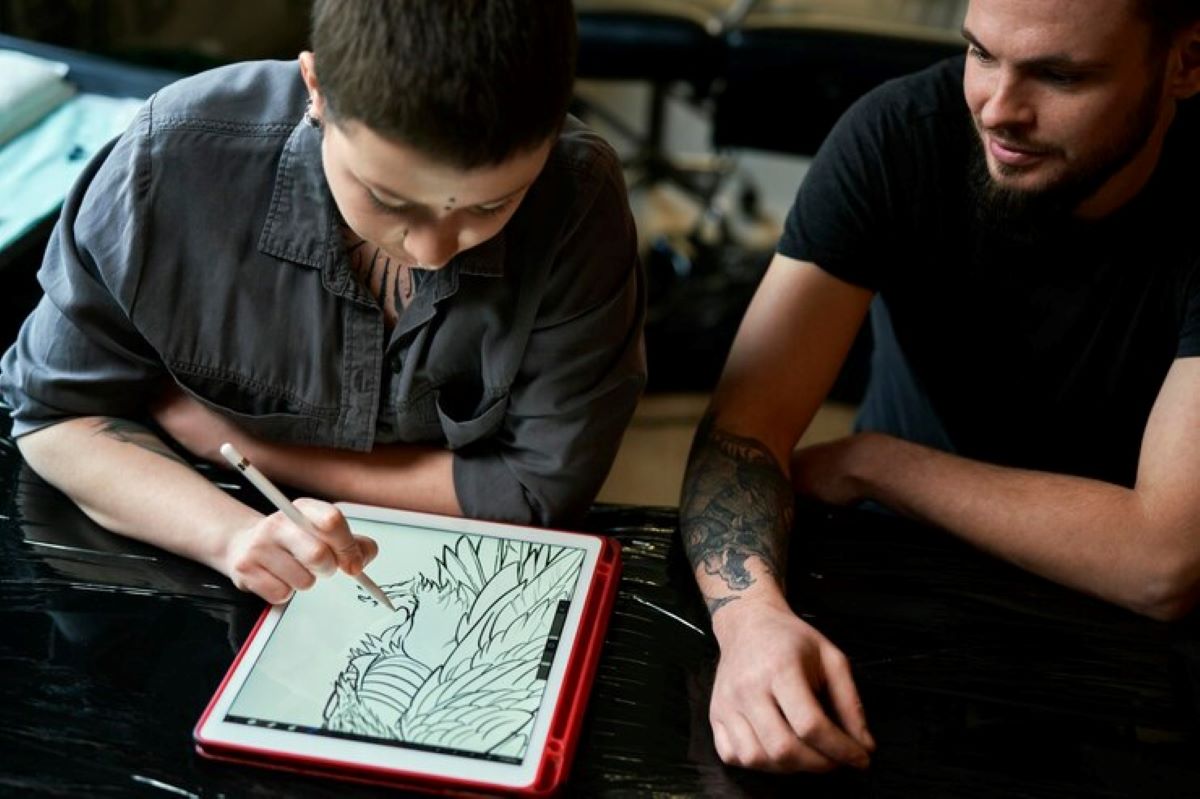
It helps to collect 5 to 10 reference images showing the vibe they like, plus notes on what they do not want. If the idea is sentimental, they can explain the meaning, but still let the artist solve the design.
How do they choose the right Sydney tattoo artist?
They should choose an artist for the style, not the studio’s follower count. The Sydney tattoo scene is diverse and highly specialised, so the best fine line artist might not be the best for traditional or realism.
They should review healed photos, not only fresh tattoos. Healed work shows line quality, shading control, and how the artist’s tattoos age on real skin.
What should they look for in a studio (beyond aesthetics)?
They should prioritise hygiene, licensing compliance, and professional process. A clean-looking studio is not the same as safe practice.
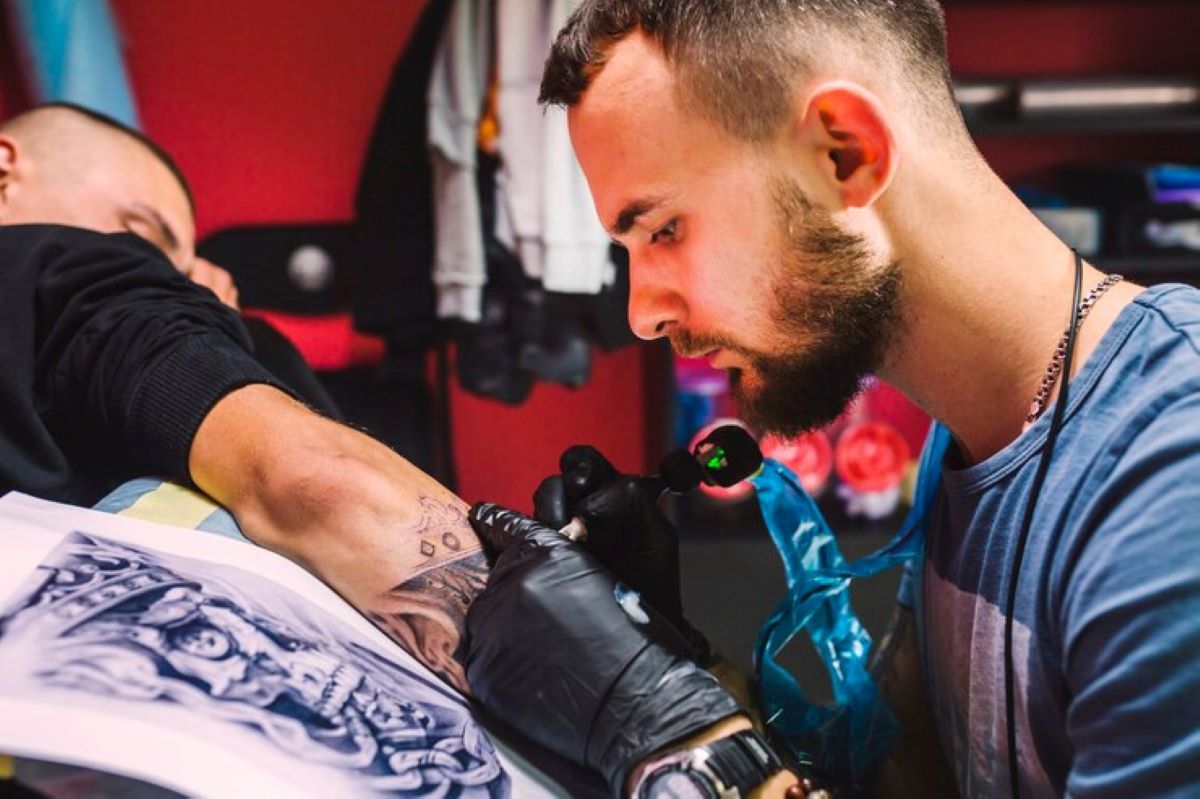
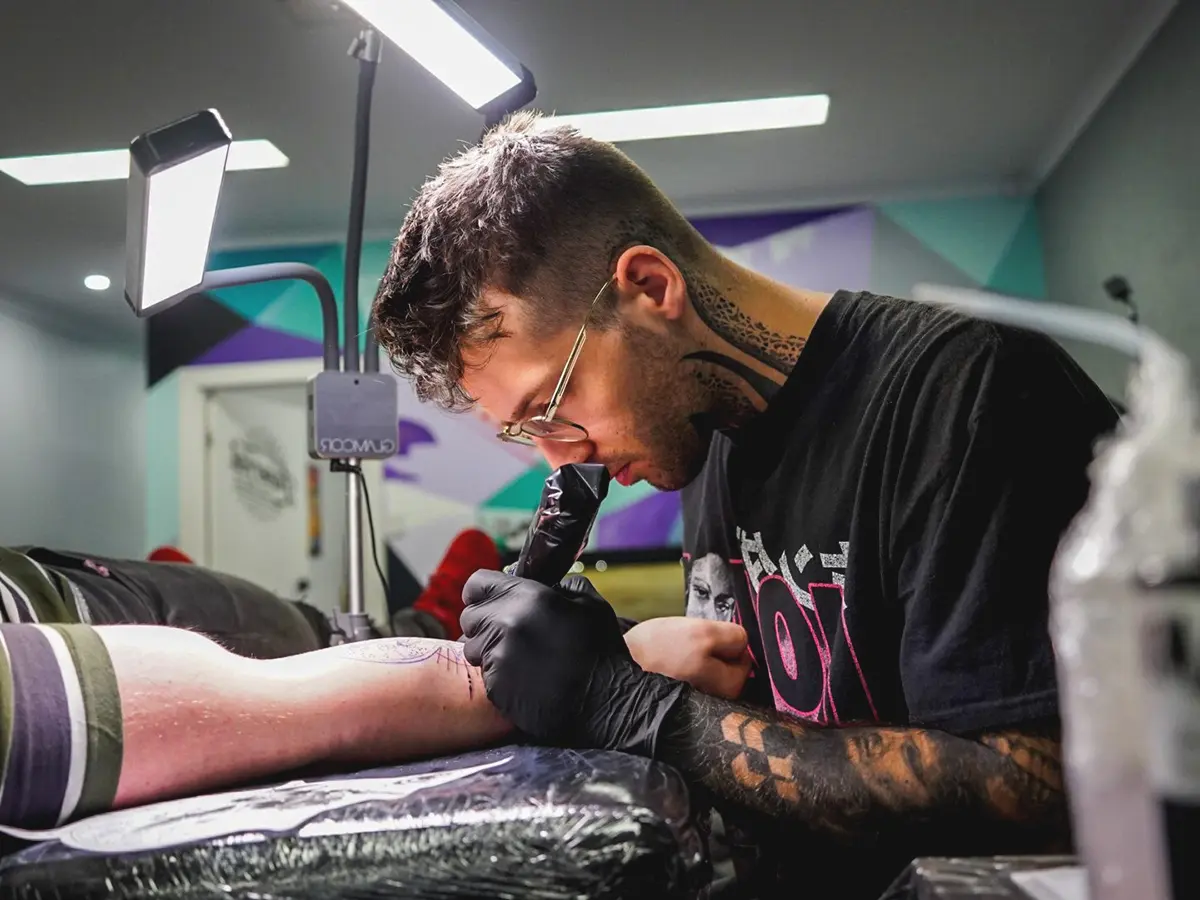
They can look for single use needles, barrier protection on surfaces, fresh gloves, and proper sterilisation protocols. If the studio seems vague about cleanliness or aftercare, that is usually a sign to keep looking.
How do consultations usually work in Sydney?
They typically start with a DM, email form, or booking request, followed by a short consult in person or online. The artist will confirm placement, sizing, references, and any dealbreakers.
They should expect the artist to guide what will and won’t work on the body area chosen. If an artist agrees to everything without any design or placement advice, that can be a red flag.
Other Resources : Preparing yourself for body art
What should they know about deposits, quotes, and pricing?
They should expect a deposit to secure the appointment, and it is often non refundable. Pricing may be hourly or per piece, depending on complexity and the artist’s workflow.
They should ask what is included: design time, number of revisions, touch up policy, and how long the session is booked for. Clear pricing upfront avoids uncomfortable surprises on the day.
What should they avoid doing before the appointment?
They should avoid alcohol the night before and on the day, since it can increase bleeding. They should also avoid arriving sunburnt, sick, or sleep deprived.
They should eat a solid meal beforehand and stay hydrated. If the placement area is hairy, they can ask whether to shave, but many studios prefer to prep the skin themselves to reduce irritation.
How painful is a tattoo, and what affects the pain?
They should expect discomfort, but pain varies heavily by placement, session length, and personal tolerance. Areas over bone or with thinner skin tend to feel sharper.
Stress, low sleep, and low blood sugar can make it feel worse. If they are nervous, they can plan a smaller session first, or pick a placement that is typically easier to sit through.
What happens after the tattoo, and how long does healing take?
They should treat aftercare like part of the tattoo, not an optional extra. Healing usually takes 2 to 4 weeks on the surface, and longer beneath the skin.
They should follow the studio’s aftercare instructions closely, keep it clean, avoid soaking, avoid swimming, and avoid heavy sun exposure. If something looks unusual, they should contact the studio early rather than guessing.
When should they wait or not get tattooed at all?
They should postpone if they are unwell, sunburnt, or dealing with a skin flare up near the area. They should also be cautious if they are unsure about the design, since hesitation often becomes regret.
If they have medical conditions, allergies, or a history of fainting with needles, they should tell the studio in advance. A reputable artist would rather adjust the plan than risk a bad experience.
What is the simplest way to make sure they love the result?
They should choose an artist whose healed work they genuinely admire, then give that artist enough freedom to do their best work. Great tattoos usually happen when the client brings clear intent and the artist brings strong execution.
If they take their time, ask the right questions, and treat aftercare seriously, booking a Sydney tattoo can feel exciting, not stressful.
Related : Bondi Road Tattoo: Why Location Matters for Walk-In Sessions
FAQs (Frequently Asked Questions)
What should I decide before contacting a tattoo studio in Sydney?
Before reaching out to a tattoo studio, get clear on your preferred style, placement, size, and budget. Collect 5 to 10 reference images that capture the vibe you like and note what you do not want. If your idea is sentimental, explain its meaning but allow the artist to create the design.
How do I choose the right Sydney tattoo artist for my style?
Choose an artist based on their specialty style rather than the studio’s popularity. Review healed photos of their work to assess line quality, shading control, and how tattoos age on real skin. This helps ensure you find the best fine line, traditional, or realism artist for your desired tattoo.
What hygiene and safety standards should I look for in a Sydney tattoo studio?
Prioritize studios that follow strict hygiene and licensing compliance. Look for single-use needles, barrier protection on surfaces, fresh gloves, and proper sterilization protocols. A clean-looking studio alone isn’t enough; if aftercare or cleanliness seems vague, it’s best to keep searching.
How do consultations typically work with Sydney tattoo artists?
Consultations usually start via DM, email form, or booking request followed by a short in-person or online meeting. The artist will confirm placement, sizing, references, and discuss any dealbreakers while advising what works best on your chosen body area. Beware if an artist agrees to everything without guidance.
What should I know about deposits, quotes, and pricing when booking a tattoo?
Expect to pay a non-refundable deposit to secure your appointment. Pricing may be hourly or per piece depending on complexity and the artist’s workflow. Ask upfront what is included such as design time, revisions allowed, touch-up policy, and session length to avoid surprises on the day.
What are key aftercare steps and healing times for new tattoos in Sydney?
Treat aftercare as an essential part of your tattoo experience. Healing typically takes 2 to 4 weeks on the surface and longer beneath the skin. Follow your studio’s instructions closely: keep the tattoo clean, avoid soaking or swimming, minimize sun exposure, and contact your artist promptly if anything unusual appears.