


This guide compares both options in plain terms, so organisers can pick the right fit for their event, club, school, or brand.
What is a custom enamel medal?
Custom Enamel Medals are created using a metal base with recessed or raised areas filled with coloured enamel. They’re chosen when organisers want bold colour, crisp branding, and a more “collectible” finish.
Most enamel medals are made from zinc alloy or brass, then plated in gold, silver, black nickel, or other finishes. They can also include extra touches like glitter enamel, translucent enamel, or custom-cut shapes.
What is a stamped medal?
A stamped medal is made by pressing a design into metal using a die, creating raised and recessed detail without colour fills. They’re often selected for clean, classic designs, especially where a metallic look is the main aesthetic.
Stamped medals commonly use iron, brass, or stainless steel, then receive plating or an antique finish. If colour is needed, it’s usually added via printing rather than filled enamel.
Which looks more premium?
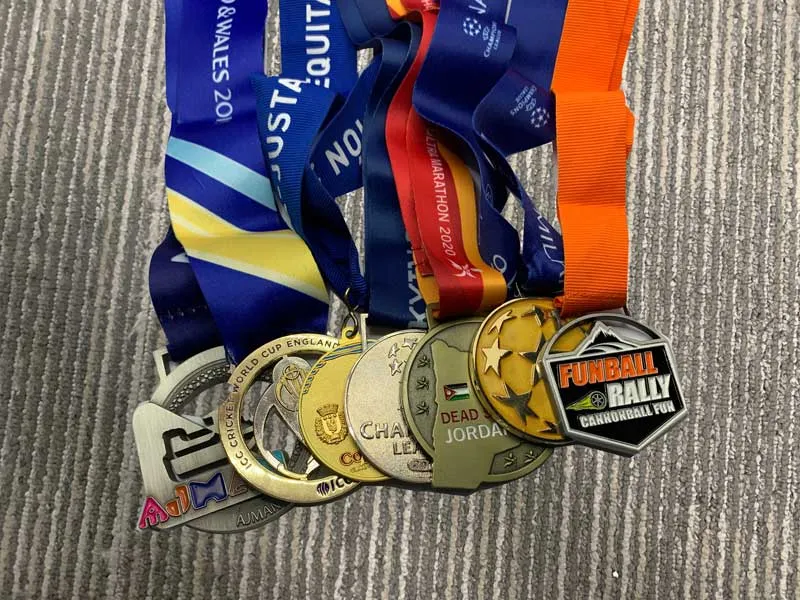
Custom enamel medals usually look more premium because colour fills make logos and mascots pop. They also photograph well, which matters for marketing-heavy events.
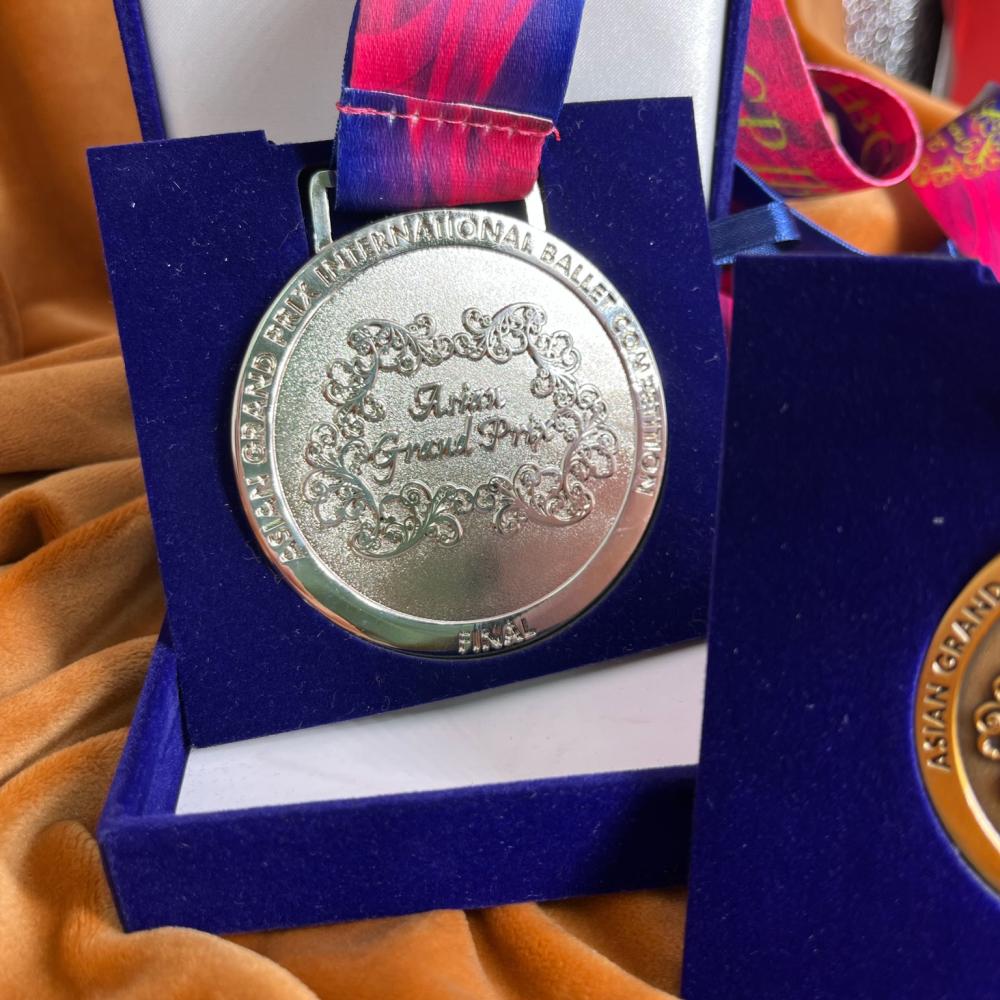
Stamped medals can still look premium, but in a different way. Antique finishes and high-relief stamping can look traditional and “heritage”, especially for commemorative awards.”
Which offers better design flexibility?
Enamel medals generally offer more flexibility for colourful, brand-led artwork and complex layouts. Fine lines, multiple colours, and clear separation between elements are easier to achieve.
Stamped medals suit designs that rely on relief and contrast instead of colour. They work best when the artwork is simplified into strong shapes, textures, and clear hierarchies.
Which is more durable for real-world use?
Both can be durable, but the wear pattern differs. Enamel can resist small scratches well, yet hard impacts may chip enamel depending on the type and depth.
Stamped medals have no colour fill to chip, so they handle knocks well. However, high-polish plating may show scratches, and cheaper base metals can corrode if finishing is poor.
Which is more cost-effective?
Stamped medals are often more cost-effective, especially for large runs and simpler designs. The process is straightforward, and there’s no enamel filling step.
Enamel medals usually cost more because of extra labour and materials. They can still be good value when the event needs sponsor visibility, premium perception, or a strong merchandise feel.
Which is faster to produce?
Stamped medals are often faster, particularly if the design is simple and the supplier already has compatible processes for the chosen finish. They’re a common pick for tight timelines.
Enamel medals can take longer due to filling, curing, polishing, and quality checks. Production speed also depends on how many colours are used and whether special effects are added.
Which is better for brand logos and sponsor visibility?
Enamel medals are usually better for logos because colours match brand palettes more closely. That helps sponsors feel represented and makes the medal more “on message” for the event.
Stamped medals can still carry logos clearly, but they rely on relief rather than colour. If the logo needs exact colour fidelity, stamping alone can feel limiting. Learn more about Wwhy sports keychains work for teams and events.
Which feels better for participants and winners?
Enamel medals often feel more special because they look customised and vibrant. For many recipients, it reads as a higher-effort award, even if the weight is similar.
Stamped medals feel traditional and solid, especially with antique finishes and deep relief. They tend to appeal to events aiming for a classic, understated award style.
Which should they choose for their event?
They should choose custom enamel medals when the event needs standout branding, colour, and a premium look that people will share and keep. They’re ideal for big races, fundraising events, corporate awards, and anything sponsor-heavy.
They should choose stamped medals when they want a timeless metallic style, faster production, or a lower unit cost at scale. They’re ideal for school sports days, league awards, large participation events, and designs that look best in relief.
What is the simplest way to decide?
A simple rule works well: if the design relies on colour, choose enamel; if it relies on texture and metallic contrast, choose stamped. Budget and lead time then become the tie-breakers.
If they’re unsure, they can ask the supplier for a digital mock-up in both styles. Seeing the same artwork rendered as enamel and stamped relief usually makes the decision obvious.
FAQs (Frequently Asked Questions)
What is a custom enamel medal and why choose it?
A custom enamel medal features a metal base with recessed or raised areas filled with coloured enamel, offering bold colours, crisp branding, and a collectible finish. Organisers choose these medals for premium looks, vibrant logos, and enhanced sponsor visibility.
How do stamped medals differ from custom enamel medals?
Stamped medals are created by pressing designs into metal to create raised and recessed details without colour fills. They offer a clean, classic metallic look, often using iron, brass, or stainless steel with plating or antique finishes, and are ideal for simpler designs relying on texture rather than colour.
Which medal type looks more premium for awards?
Custom enamel medals generally appear more premium due to their colourful fills that make logos and mascots pop, enhancing marketing appeal. Stamped medals can also look premium with antique finishes and high-relief stamping, lending a traditional or heritage aesthetic.
What are the differences in durability between enamel and stamped medals?
Both medal types are durable but wear differently; enamel medals resist small scratches well but may chip upon hard impacts depending on enamel quality. Stamped medals have no colour to chip and handle knocks better but may show scratches on high-polish plating and risk corrosion if made from cheaper metals with poor finishing.
Which medal option is more cost-effective and faster to produce?
Stamped medals tend to be more cost-effective and quicker to produce due to straightforward manufacturing without enamel filling steps, making them suitable for large runs and tight timelines. Enamel medals usually cost more because of additional labour and materials and take longer due to filling, curing, polishing, and quality checks.
How should event organisers decide between custom enamel and stamped medals?
Organisers should choose custom enamel medals when needing standout branding, vibrant colours, and a premium look ideal for big races or sponsor-heavy events. Stamped medals suit those seeking timeless metallic styles, faster production, lower costs at scale, or designs best expressed through relief. If unsure, requesting digital mock-ups in both styles helps make the decision clear.